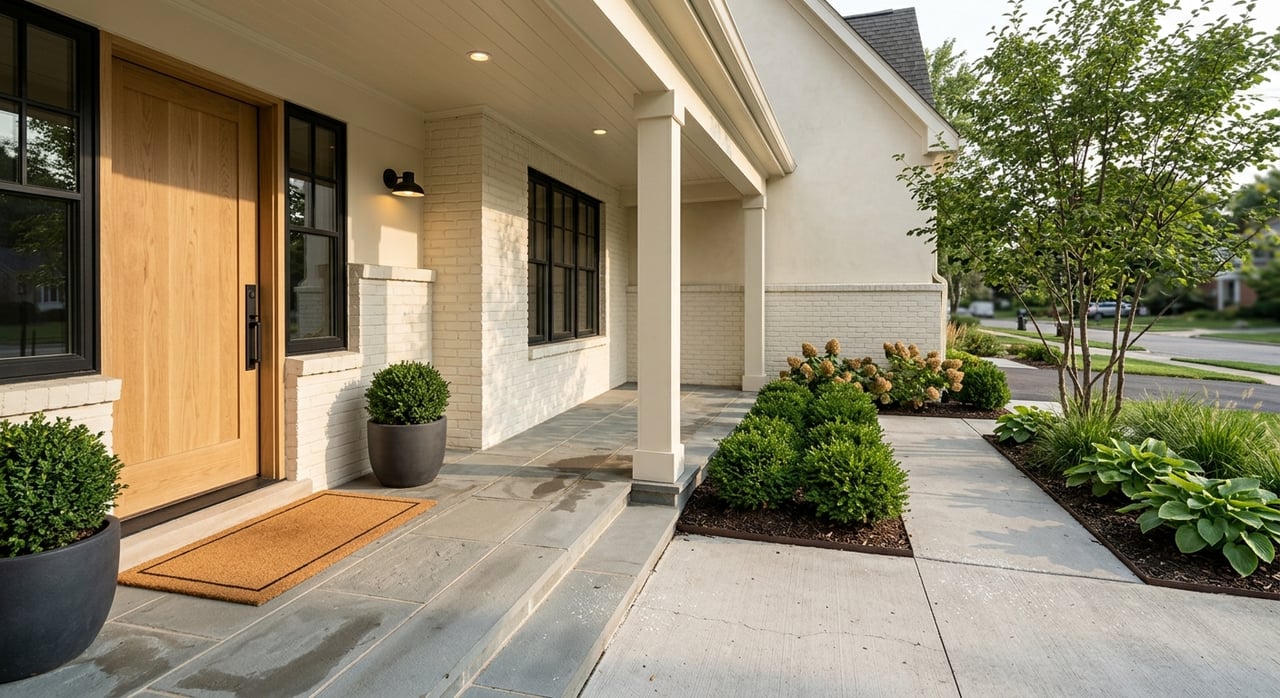
If you’re trying to decide between a new construction home and a resale home in Tiffin, you’re asking the right question. In a fast-growing market, the better choice is not just about what looks newer or costs less on paper. It’s about timeline, monthly payment, repair risk, and how much flexibility you want during the process. Let’s break down how each option works in Tiffin so you can make a smart, well-structured decision.
Why This Decision Matters in Tiffin
Tiffin is growing quickly, and that growth shapes your home search. The U.S. Census Bureau estimated Tiffin’s population at 6,695 in July 2024, which is a sharp increase from 2020.
That kind of growth helps explain why buyers often compare brand-new subdivisions with existing homes at the same time. Tiffin’s planning documents also point future development toward identified growth areas, with single-family detached homes as a major housing type.
The other key factor is cost. Tiffin’s median value for owner-occupied homes is $338,500, and median monthly owner costs with a mortgage are $1,940. In other words, this is a market where total monthly payment planning matters just as much as the list price.
New Construction in Tiffin
New construction appeals to buyers who want a cleaner start. You may get newer systems, fewer near-term repair surprises, and the chance to choose finishes, floor plans, or lot placement depending on the build stage.
In a city like Tiffin, that option fits naturally with how the community is expanding. As new residential growth continues, many buyers are drawn to the predictability and design choices that come with a newly built home.
Why Buyers Choose New Construction
One of the biggest advantages is lower immediate maintenance risk. A new roof, new HVAC, new plumbing, and new appliances can reduce the odds of major surprise expenses right after closing.
Customization is another major reason buyers choose new construction. If you get in early enough, you may be able to influence layout details, finishes, and upgrades in a way that simply is not possible with a resale home.
Builder warranties also matter. According to the FTC, newly built homes often come with builder warranty coverage that may include around one year for workmanship and materials on many components, two years for systems like HVAC, plumbing, and electrical, and up to ten years for major structural defects.
That said, you should understand exactly what is covered and what is not. A builder warranty is not the same thing as a separate home warranty service contract, and the details can vary.
Tradeoffs of New Construction
The biggest tradeoff is usually timing. A resale closing can move on a traditional purchase timeline, but a new build may depend on permits, construction progress, inspections, and final approvals.
That timing issue matters in Tiffin because new construction requires permits. The city also notes compliance and inspection requirements before systems are put into use, which adds steps that do not apply the same way in a standard resale transaction.
Upfront cash needs can also be different. Builders may require earnest money or a builder deposit before the home is finished, so you should ask when those funds are refundable and under what conditions.
Your leverage may also look different. In a growing market like Tiffin, buyers may have more success negotiating on upgrades, closing costs, or contract terms than on large cuts to the base price.
You also need to budget for costs that may not show up clearly in the advertised price. HOA dues, landscaping, window coverings, fencing, appliances, and overlap with rent or an existing mortgage can all affect your real monthly number.
One more smart question in Iowa is radon. Iowa Health and Human Services notes that statewide radon-resistant construction requirements apply only to public schools, so for homes, it is reasonable to ask whether the builder included radon rough-in or mitigation features.
Resale Homes in Tiffin
Resale homes attract buyers who want a home they can fully evaluate before they commit. What you see is what already exists, including the lot, driveway, landscaping, storage, natural light, and how the home sits on the street.
That can be especially helpful in a growing city where some buyers want less uncertainty. Instead of guessing how a future home will turn out, you can walk the property and judge its condition in real time.
Why Buyers Choose Resale
The biggest advantage is usually speed. Because the home is already built, you are not waiting on construction schedules, material delays, or final completion.
Resale homes can also provide more room for negotiation. If the inspection reveals issues, buyers may be able to renegotiate repairs, request credits, or walk away depending on the contract terms.
That inspection leverage is important. The CFPB advises buyers to make offers contingent on financing and a satisfactory inspection, which gives you a structured way to protect yourself if serious defects show up.
Iowa disclosure rules add another layer of protection. Iowa law requires sellers of qualifying residential property to provide a written disclosure statement before the buyer makes a written offer or before the seller accepts one.
Tradeoffs of Resale Homes
The main downside is maintenance risk. Even a well-kept home may have older systems or components that need attention sooner, such as roofing, HVAC, plumbing, windows, or appliances.
That does not mean resale is the wrong choice. It means your inspection period, repair negotiations, and reserve planning become even more important.
You also need to pay attention to radon in Iowa. Iowa Health and Human Services says sellers must disclose any known radon tests, including the date and result, and provide the Iowa radon fact sheet to the buyer.
That matters because Iowa has a high radon burden. Iowa Health and Human Services reports that 71.6% of homes in the Iowa Radon Survey were above the EPA action level, and elevated radon can be found in any type of home.
Finally, do not assume a resale home is automatically cheaper overall. A lower purchase price can be offset by repairs, updates, radon mitigation, or replacing major systems sooner than expected.
Compare the Real Monthly Cost
When buyers compare new construction and resale homes, list price gets too much attention. In Tiffin, the better comparison is your full monthly housing cost.
The CFPB notes that your monthly cost can include principal, interest, property taxes, mortgage insurance, homeowner’s insurance, supplemental insurance if needed, HOA fees, utilities, maintenance, and repairs. Closing costs also typically run about 2% to 5% of the purchase price.
Here is a simple way to think about it:
| Home Type | Costs Buyers Often Underestimate |
|---|---|
| New construction | Builder deposits, upgrades, landscaping, window coverings, fencing, appliances, HOA dues, overlap housing costs |
| Resale home | Repairs, inspection findings, immediate updates, radon testing or mitigation, maintenance reserves, system replacements |
If you want a clearer decision, compare two homes based on the payment and cash needed over the first 12 months, not just the sale price.
How Much Cash Should You Plan For?
Many buyers still assume they need 20% down, but that is not always true. The CFPB says some loans require as little as 3% down, and FHA loans can require 3.5% down.
Iowa Finance Authority materials also note that buyers may qualify for down payment or closing cost assistance. Under current program materials, that can include options such as a $2,500 grant or a second loan tied to the sale price.
This matters even more when you compare new construction with resale. A new build may come with a higher upfront cash burden because of deposits and upgrade decisions, while a resale may require more post-closing repair reserves.
A Practical Decision Rule for Tiffin Buyers
If you value customization, newer systems, and fewer immediate repair risks, new construction may be the better fit. It tends to work best when you have timeline flexibility and enough cash reserves for deposits, upgrades, and move-in extras.
If you value faster occupancy, visible condition, and more inspection-based negotiating leverage, a resale home may be the stronger choice. It often works well when you want more certainty about what you are buying before you commit.
Neither option is automatically better. In Tiffin, the right choice usually comes down to how you balance timing, monthly cost, maintenance risk, and negotiating position.
A strong buying strategy starts by pressure-testing the numbers and the contract terms before you fall in love with a home. If you want help comparing new construction and resale options in Tiffin with a clear eye on leverage, timing, and total cost, reach out to Kevin Wu.
FAQs
Is new construction more expensive than resale homes in Tiffin?
- Not always. New construction may cost more upfront or come with added expenses like builder deposits, upgrades, HOA dues, landscaping, and window coverings, while resale homes may bring repair, update, or mitigation costs after closing.
What is the biggest advantage of buying a resale home in Tiffin?
- The biggest advantage is usually speed and visibility. You can evaluate the actual home, lot, and condition before closing, and you may have more room to negotiate after inspection.
What should buyers ask a builder about a new home in Tiffin?
- Ask about the construction timeline, permit and inspection process, deposit terms, warranty coverage, included features, HOA dues, and whether the home has radon rough-in or mitigation features.
Do resale home sellers in Iowa have to disclose property issues?
- Yes. Iowa law requires sellers of qualifying residential property to provide a written disclosure statement, and Iowa sellers must also disclose any known radon test results and provide the Iowa radon fact sheet.
How should buyers budget for a home purchase in Tiffin?
- Focus on total monthly housing cost, not just list price. Include mortgage payment, taxes, insurance, HOA dues if applicable, utilities, maintenance, repairs, and expected closing costs.
Are there down payment assistance options for Tiffin buyers?
- Possibly. Iowa Finance Authority materials say first-time and repeat buyers may qualify for down payment or closing-cost help, so it is worth checking early in your planning process.