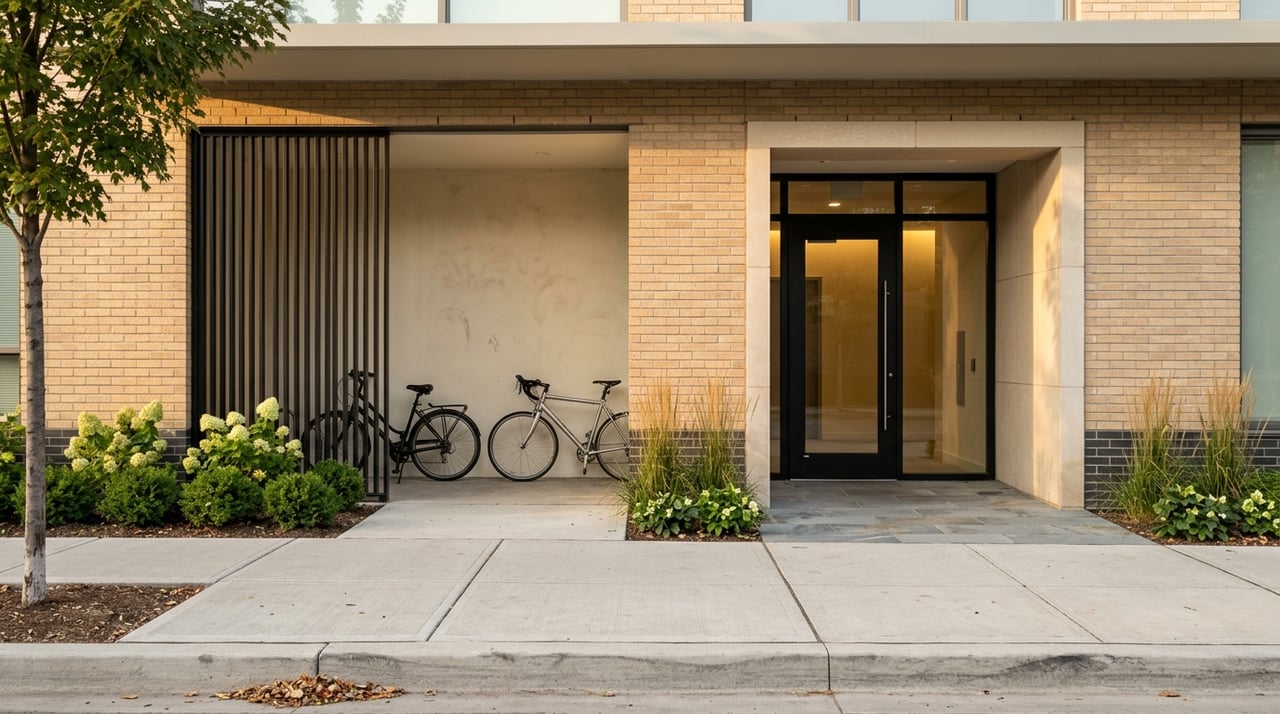
Want to live in Iowa City without depending on your car for every errand, commute, or coffee run? In the right part of town, that goal is more realistic here than many people expect. If you are weighing a move near downtown, campus, or UI Health Care, this guide will help you understand where car-light living works best, how transit and trails support daily life, and what to watch for before you choose a home. Let’s dive in.
Why Iowa City Works Well
Iowa City has a layout that supports short trips. The University of Iowa says campus blends directly into downtown, and the city describes downtown as a walkable, pedestrian-friendly district. That close connection matters because it brings work, dining, shopping, and public spaces into a compact area.
Riverfront Crossings adds another strong option just south of downtown. The city describes it as a neighborhood with trails, access to the Iowa River, shopping, restaurants, jobs, recreational facilities, and a short walk to both downtown and campus. If your goal is to drive less, that kind of location does a lot of the work for you.
The city and university also back up that geography with practical transportation. Iowa City Transit and CAMBUS are fare-free, and the local bike and trail network is extensive. In simple terms, Iowa City gives you more than one way to get around when you live close to the core.
Best Neighborhoods for Car-Light Living
Downtown Iowa City
Downtown is the clearest choice if you want the most walkable setup. The downtown district describes the area as compact, walkable, and pedestrian-friendly, with retail, food and beverage, residential, hospitality, and cultural uses all concentrated together. The Ped Mall also serves as a major public gathering space for everyday activity and events.
This area makes daily life easier because so many basics are close together. Downtown listings include Bread Garden Market for groceries and CVS Pharmacy for pharmacy and everyday necessities. If you want to step outside and reach errands, meals, and entertainment on foot, downtown is the strongest starting point.
Riverfront Crossings
Riverfront Crossings gives you a close-in alternative with a little more separation from the downtown center. The city places it just south of downtown and highlights its waterfront trails, river access, nearby jobs, restaurants, shopping, and recreational facilities. It is also a short walk to downtown and campus.
For many buyers and renters, this area can offer a practical balance. You stay connected to the city’s most useful destinations while keeping easy access to trails and open space. That can be a strong fit if you want a car-light routine with walking and biking built into daily life.
Northside
Northside sits directly north of downtown and next to the University of Iowa campus. The city says that location makes it convenient for faculty, staff, and students. North Market Square Park also acts as a neighborhood focal point.
If you want to stay close to campus and downtown without being in the middle of the core, Northside deserves a look. It is one of the areas where location can reduce how often you need to drive. That said, parts of Northside are in historic and conservation districts, which can matter if you plan exterior updates.
Longfellow
Longfellow is just southeast of downtown and within easy walking and biking distance to downtown and the University of Iowa. The city also notes that the neighborhood includes older housing stock and is protected by historic and conservation districts.
This area can appeal to buyers who want a close-in location with strong everyday access. If your lifestyle depends on short trips to campus, downtown, or nearby trails, Longfellow checks many of the right boxes. As with any older neighborhood, it helps to look closely at property condition and update needs.
College Hill
College Hill is directly east of downtown and includes a mix of historic homes, sororities, students, and long-time homeowners. Because it is close to campus and has both owner-occupied and rental housing, the experience can vary from block to block.
That block-by-block difference is important in a housing search. Two homes may look similar on paper but feel very different in day-to-day living. If you want a car-light location here, it makes sense to compare street activity, walking routes, and your likely commute before making a decision.
Goosetown and Horace Mann
Goosetown is a historic neighborhood on the northeast side, about a mile from downtown. The city describes it as a popular choice for University of Iowa staff, faculty, and students. It also notes that Goosetown and Horace Mann are part of a conservation district.
For a buyer or renter who is comfortable being a bit farther from downtown, this area can still support a lighter-driving lifestyle. A mile is often manageable by bike or on foot, especially when your routine stays centered on downtown or campus. As with other protected areas, exterior changes may involve added review.
How Transit Supports Daily Life
Iowa City Transit Basics
Iowa City Transit runs 13 fixed routes Monday through Saturday, and fares are free. The city lists weekday service from 5:30 a.m. to 10:45 p.m. and Saturday service from 6:30 a.m. to 8:00 p.m. There is no Sunday service, and all vehicles are wheelchair accessible.
That schedule is useful, but it also shows why location still matters. If you live near downtown, campus, or a strong route, transit can be a practical backup or even part of your main routine. If you live farther out, no Sunday service may shape how realistic a fully car-light setup feels for you.
One recent change is important. The former Downtown Shuttle stopped operating in April 2024, so you should plan around the fixed-route system rather than a separate downtown circulator. That makes route access more important when comparing homes.
CAMBUS and Campus Access
The University of Iowa’s CAMBUS system operates 12 fixed routes on the academic calendar. It is fare-free, open to the public, and accessible. Routes connect Main Campus, Health Sciences Campus, UI Health Care, the West Campus Transportation Center, residence halls, and the Pentacrest area.
Some CAMBUS routes also provide late-night and weekend service, which can be especially useful for university-linked schedules. The 51 route notes skywalk access from the West Campus Transportation Center to the UIHC Main Entrance. For medical workers, researchers, and others tied to UI Health Care, that detail can make a meaningful difference in daily commuting.
Regional Connections
Car-light living in Iowa City does not have to stop at city limits. The University says Coralville Transit offers broader regional coverage with frequent connections to the university. It also notes that CAMBUS, Iowa City Transit, and Coralville Transit can all be tracked in the Transit app for real-time planning.
The university also points to the 380 Express commuter route between Cedar Rapids and Iowa City. If you are relocating from elsewhere in the corridor or balancing travel between cities, that extra layer of connection can add flexibility.
Walking, Biking, and Trails
A Strong Local Network
Iowa City’s climate-action page says the city is a great place to walk, bike, and ride the bus. It also notes that residents walk, bike, and take transit to work at rates higher than the national average. That tells you car-light living is not just possible in theory. People are already doing it.
The parks and trails system helps make that practical. The city says Iowa City has more than 50 parks and over 60 parks, trails, and open spaces. It also says 99.4% of residents live within half a mile of open space.
Winter and Real-World Use
The trails are hard-surfaced and open to non-motorized uses. The city says it clears snow from about 90% of the trail system in winter, though trails are lower in priority than streets for snow removal. That is helpful, but it is also a reminder to think realistically about weather and backup transportation.
If you plan to rely on walking and biking year-round, winter operations should be part of your home search. A great location near downtown or campus can reduce that risk because you may have more than one route or mode available on difficult weather days.
Bike Planning Across the Area
Regional planning also supports riding. MPOJC coordinates bicycle and pedestrian planning with local municipalities and the University of Iowa, including crosswalks, bicycle parking areas, trail connections, and trail maps. Its metro bicycle master plan covers Iowa City, Coralville, North Liberty, Tiffin, University Heights, and parts of unincorporated Johnson County.
The University of Iowa also notes self-guided riding routes through Clear Creek Trail and around campus, plus bike rentals and classes for people who are new to riding. If biking is part of your transportation plan, those resources can make the transition easier.
Daily Errands Without Much Driving
A car-light lifestyle only works if everyday needs are close by. Downtown Iowa City stands out because it combines shopping, dining, services, and public spaces in one walkable district. The downtown district identifies 60 independent retail stores and more than 100 dining and nightlife venues.
That does not mean every errand can happen on foot, but it does mean many common trips can. Groceries, pharmacy needs, restaurants, coffee, and public gathering spaces are concentrated in the core. That is a major advantage compared with more spread-out communities.
The Iowa City Public Library is another important daily-life amenity. The city describes it as a center of community life, and its hours include weekday evenings plus Saturday and Sunday service. For many residents, that kind of nearby civic resource adds real convenience to a car-light routine.
What to Watch For in Your Housing Search
Choose Location First
If your goal is true car-light living, start with location before price per square foot, parking count, or cosmetic finishes. The close-in core includes downtown, Riverfront Crossings, Northside, Longfellow, College Hill, and Goosetown. These areas are either adjacent to downtown and campus or within easy walking and biking distance.
That does not mean every property in those neighborhoods works the same way. A condo near a major route may function very differently from a house on the edge of the same area. The real question is how easily your daily routine connects to downtown, campus, trails, and transit.
Understand Parking Rules
If you plan to keep a car, parking still matters. The city’s parking page shows downtown ramps with the first hour free and $2 per hour after that. For some residents, that can be enough. For others, off-street parking may still be important.
Winter and street operations also affect planning. The city says the central business district is signed for no parking from 2 a.m. to 6 a.m. year-round for street cleaning, and other downtown streets can be posted 48 hours in advance with towing if vehicles are not moved. If you own a car, those details are not minor.
Check Historic and Conservation District Rules
Several close-in neighborhoods that support car-light living also include historic or conservation districts. Iowa City says exterior changes in those districts are reviewed for compatibility. That can affect renovation flexibility, timelines, and project planning.
This does not make those neighborhoods less attractive. It just means you should understand the rules before buying if you expect to change windows, siding, additions, or other exterior features. In a strategic home search, that is the kind of detail worth clarifying early.
The Bottom Line
In Iowa City, car-light living is most realistic when your home is close to downtown or campus and has good access to trails and transit. The strongest setup is usually a short walk to the places you use most, with bus and bike options serving as reliable backup rather than your only plan.
If you are buying or renting with that goal in mind, the right neighborhood can make everyday life simpler, cheaper, and less dependent on parking logistics. In a market like Iowa City, execution starts with choosing a location that supports how you actually want to live.
If you want help comparing close-in condos, university-adjacent homes, or low-maintenance options around Iowa City and Coralville, Kevin Wu can help you evaluate the tradeoffs clearly and choose a property that fits your daily routine.
FAQs
Which Iowa City neighborhoods are best for car-light living?
- Downtown, Riverfront Crossings, Northside, Longfellow, College Hill, and Goosetown are the strongest starting points because they are close to downtown, campus, or both.
Is Iowa City Transit free for public riders?
- Yes. Iowa City Transit says fares are free, the system is open to the general public, and it runs 13 fixed routes Monday through Saturday.
Does CAMBUS help with University of Iowa commuting?
- Yes. CAMBUS is fare-free, open to the public, and connects Main Campus, Health Sciences Campus, UI Health Care, the West Campus Transportation Center, residence halls, and the Pentacrest area.
Can you live in Iowa City without driving every day?
- Yes, especially in close-in neighborhoods near downtown and campus where walking, biking, and fare-free transit can cover many daily trips.
What should buyers watch for in downtown Iowa City parking?
- Buyers should review ramp pricing, overnight street parking rules, and winter posting requirements because downtown street restrictions can affect where and when you can leave a car.
Do historic districts affect home updates in Iowa City?
- Yes. Iowa City reviews exterior changes in historic and conservation districts for compatibility, which can affect renovation plans in neighborhoods like Northside, Longfellow, College Hill, and Goosetown/Horace Mann.